
FAQ: Myopia Management in Sammamish, WA
At NewVision Eyecare, we provide comprehensive myopia management in Sammamish, WA, to help slow the progression of nearsightedness in children and support long-term eye health. We develop personalized treatment plans based on each child's vision, age, and lifestyle. Below are frequently asked questions on myopia management.
1. What is myopia, and why is early treatment important for children?
Myopia, also called nearsightedness, is a vision condition that makes distant objects appear blurry. It commonly develops during childhood and can worsen as the eyes grow. We focus on early detection and treatment to slow progression and help reduce the risk of future complications, including retinal detachment and myopic macular degeneration.
2. How can I tell if my child is developing nearsightedness?
Common warning signs include squinting, difficulty seeing the classroom board, sitting close to screens, frequent headaches, and blurry distance vision. Children may not realize their eyesight is changing. We recommend scheduling a comprehensive pediatric eye exam at our Sammamish practice when these symptoms appear so we can identify vision changes and determine whether treatment is necessary.
3. When should children start myopia management?
Children should begin myopia management once nearsightedness is identified and treatment is appropriate for their age and eye health. Starting early provides an opportunity to limit progression during important developmental years. At NewVision Eyecare in Sammamish, we evaluate prescription changes, family history, and individual risk factors to determine when treatment should begin.
4. What myopia control treatments are available in Sammamish?
We offer several evidence-based approaches to childhood nearsightedness at our Sammamish practice, including Ortho-K overnight contact lenses, MiSight 1 day lenses, Essilor Stellest eyeglasses, low-dose atropine drops, and soft multifocal contact lenses. Each option works differently to help control progression. We recommend treatment based on your child's prescription, age, eye health, and daily activities.
5. How do MiSight contact lenses help children with myopia?
MiSight 1 day contact lenses are specialized soft lenses designed to correct blurry distance vision while slowing myopia progression. Their dual-focus design helps manage how light focuses in the eye. We assess your child's eligibility, provide contact lens fittings, and teach proper handling. These daily disposable lenses are removed and discarded each evening.
6. Is Ortho-K a good option for students and young athletes?
Ortho-K is an excellent option for appropriate candidates who want clear daytime vision without wearing glasses or contact lenses. These specially designed rigid lenses are worn overnight to temporarily reshape the cornea. We offer Ortho-K fittings in Sammamish and provide ongoing monitoring to ensure proper fit, safe lens wear, and effective vision correction.
7. What are Essilor Stellest lenses, and how do they help children?
Essilor Stellest lenses are specialized prescription eyeglass lenses designed to correct nearsightedness and slow its progression in children. They use H.A.L.T. technology, which incorporates lenslets that create controlled myopic defocus. For families who prefer eyeglasses over contact lenses, we evaluate whether Stellest lenses are an appropriate treatment option based on their child's prescription and visual needs.
8. Can low-dose atropine eye drops slow nearsightedness?
Low-dose atropine is a treatment option that can help reduce myopia progression in certain children. These prescription drops are typically administered nightly and do not replace glasses or contacts needed for clear vision. Our eye doctors in Sammamish determine whether atropine is appropriate, explain potential side effects such as light sensitivity or near-vision blur, and monitor treatment response.
9. Are multifocal contact lenses effective for childhood myopia?
Certain soft multifocal contact lenses can help slow nearsightedness progression by changing how light focuses on the retina. Although originally developed for other vision needs, specific multifocal designs have demonstrated benefits for myopia control. We evaluate children for suitable contact lens options and provide personalized fittings and follow-up care.
10. What happens during a myopia management eye exam in Sammamish?
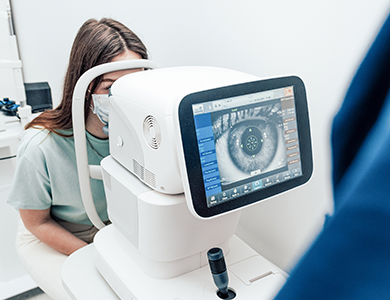
During a myopia evaluation at NewVision Eyecare in Sammamish, we measure your child's prescription, assess eye health, review previous vision changes, and evaluate factors that influence progression. We also discuss school activities, screen habits, and family history. These findings help us develop a treatment plan and establish a baseline for monitoring future changes.
11. Can regular prescription glasses prevent myopia from getting worse in children?
Standard prescription glasses correct blurry distance vision but generally do not slow the progression of childhood myopia. Specialized options, such as Essilor Stellest lenses, are designed to address both vision correction and progression. We help parents understand the difference between conventional eyeglasses and myopia control treatments so they can make informed decisions.
12. How often should my child have follow-up appointments for myopia control?
Children receiving myopia management typically need follow-up appointments several times throughout the year, depending on their treatment and rate of progression. At NewVision Eyecare in Sammamish, we monitor prescription changes, assess treatment effectiveness, and check eye health. These visits allow us to adjust the management plan when necessary and maintain consistent care as your child grows.
13. Can outdoor activities and screen breaks help protect children's eyesight?
Spending more time outdoors can help lower the risk of developing childhood myopia, while regular breaks from close-up activities can reduce eye strain. We encourage families to establish healthy screen habits and make outdoor play part of their children's daily routines. These habits support visual health but do not replace prescribed treatment for progressive nearsightedness.
14. Does vision insurance cover myopia management treatments?
Insurance coverage varies depending on the provider, plan, and treatment selected. Some plans may cover portions of comprehensive eye exams while offering limited benefits for specialized myopia control lenses or treatments. At NewVision Eyecare, we help families review their vision benefits, understand anticipated costs, and explore available payment options before beginning treatment.
15. Why choose NewVision Eyecare for myopia management in Sammamish, WA?
At NewVision Eyecare, we provide personalized myopia management supported by comprehensive pediatric eye care and multiple treatment options. Our team offers Ortho-K, MiSight, Essilor Stellest lenses, atropine drops, and specialized contact lens care. We carefully evaluate each child's needs, explain our recommendations, and monitor progress to deliver consistent, long-term vision care.
If your child is showing signs of nearsightedness or their prescription continues to worsen, schedule a myopia management evaluation with NewVision Eyecare in Sammamish, WA. Call (425) 392-2196 to discuss treatment options and schedule your child's comprehensive eye exam.

© 2026 New Vision EyeCare. All rights Reserved. Privacy Policy | Accessibility Statement
Powered by:
